Proposed 9:30 a.m. start mirrors some overseas branches, but later closing times and Saturday service elsewhere offer customers more flexibility
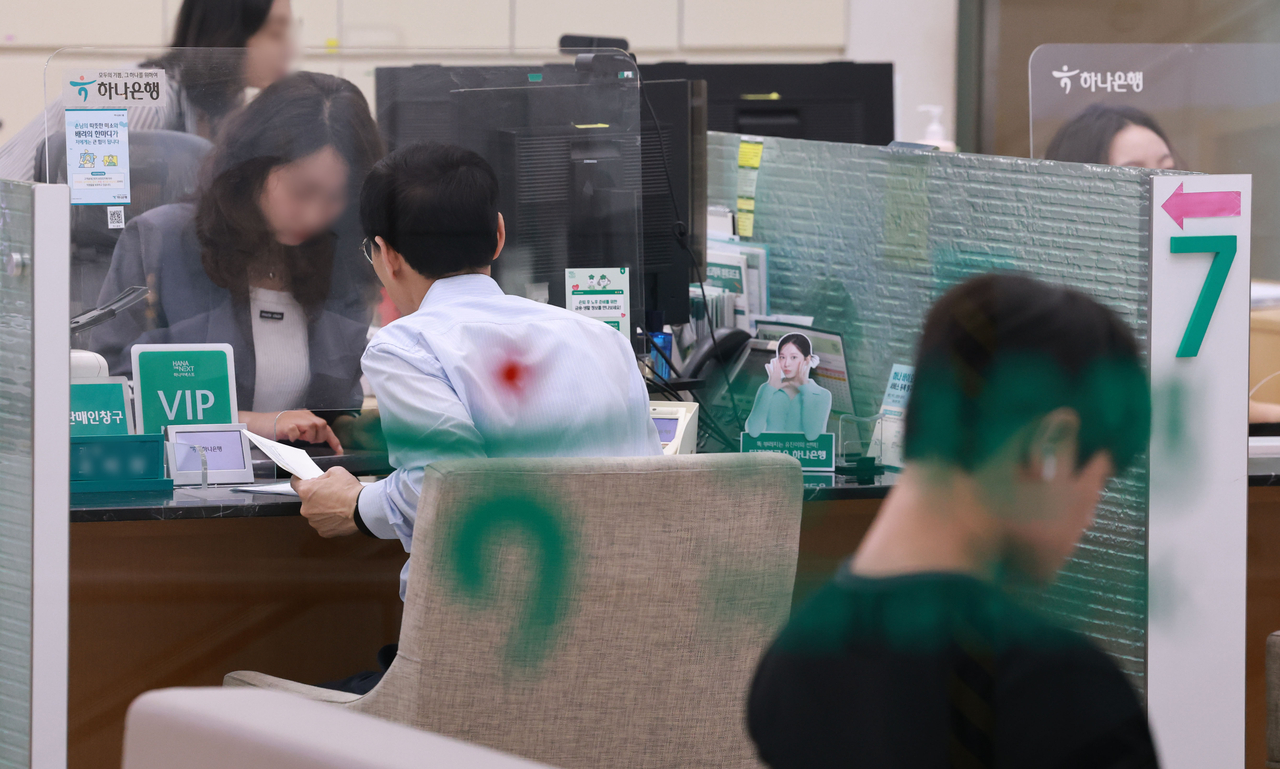
South Korean banks could give customers half an hour less at the counter each day under a tentative labor deal aimed at cutting employees’ working time.
The agreement, reached Monday after five months of talks between the Korean Financial Industry Union and employers, would push branch opening to 9:30 a.m. from next April while keeping the 4 p.m. closing time.
The aim is to bring pre-opening duties into regular working hours. The trade-off is less time for branch visits — with no guarantee yet that employees’ actual workdays will shrink.
What would change?
Branches would serve customers for six and a half hours a day, down from seven. Closing time would remain at 4 p.m.
Employees’ detailed schedules have yet to be settled, so the proposal does not automatically mean every worker would arrive 30 minutes later or spend 30 fewer minutes at work.
Banks last changed their standard opening hours in April 2009, moving both opening and closing times forward by half an hour without shortening the customer service day. Apart from temporary pandemic restrictions, the seven-hour weekday schedule has remained in place for decades.
Why do employees want a later opening?
Bank employees generally work from 9 a.m. to 6 p.m., but branches must be ready to serve customers at 9 a.m. That requires staff to arrive earlier to prepare cash, check systems and attend meetings.
Unlike the afternoon, when employees have time for administrative work after branches close, the standard schedule provides no preparation period before customers arrive.
“Employees usually arrive half an hour to an hour early to begin operations at 9 a.m. Working conditions at branches have improved considerably, but most employees still arrive by 8:30 a.m.,” an industry official with previous branch experience said.
Opening at 9:30 a.m. could bring that preparation into regular working hours. Whether it reduces the overall working day will depend on how banks organize duties before opening and after closing.
What about early departures on Fridays?
Last year’s agreement allowed employees to leave an hour early on Fridays while keeping branches open until 4 p.m. In practice, customer transactions and closing tasks can make it difficult for staff to leave on time.
“Branch hours must also be adjusted to achieve a real reduction in working hours,” union chair Yun Seok-gu told a local media outlet earlier this month.
The new package includes a Friday customer cutoff system, described as a “last call,” to support early departures. Its timing and operating rules have not been settled.
Unused early departure time could be converted into compensatory leave, capped at two days a year.
Would customers lose access?
Customers would have 30 fewer minutes each weekday to use standard branch services. Those who visit before work or rely on early appointments could face inconvenience.
Digital banking has reduced the need for some branch visits, but in-person services remain important for older customers, people less comfortable with online banking and those handling transactions that require direct assistance.
The proposal could revive the debate over COVID-19 pandemic-era restrictions. Banks shortened their hours to 9:30 a.m. to 3:30 p.m. in 2021 and faced complaints for retaining that schedule after distancing rules eased. They restored the 9 a.m. to 4 p.m. schedule in January 2023.
The industry official said relatively few customers visit immediately after opening, suggesting the impact could be limited.
“I would expect that opening 30 minutes later would not cause major disruptions,” the official said. “But banks are private companies that also serve a public function, so some degree of social consensus is necessary.”
The proposed reduction also comes as banks shrink their branch networks. KB Kookmin, Shinhan, Hana and Woori had a combined 2,688 branches at the end of last year, down 91 from a year earlier, according to Financial Supervisory Service data. Their combined network has shrunk every year since 2020, when it numbered about 3,300 branches. Fewer locations and shorter opening hours could compound the inconvenience for customers who need in-person services.
How do banking hours compare overseas?
Bank hours elsewhere show that opening time is only one part of customer access.
In Japan, MUFG says staffed counters generally operate from 9 a.m. to 3 p.m. on weekdays, shorter than Korea's proposed 9:30 a.m. to 4 p.m. schedule. In Hong Kong, HSBC says most of its branches open on Saturdays, offering customers a weekend option.
Hours vary more by location at other banks. Chase lists 9 a.m. to 5 p.m. weekday hours and shorter Saturday hours at some US branches. BNP Paribas' Paris listings include branches that close later than 4 p.m., some of which also open on Saturday mornings; lunch breaks and appointment requirements can limit when customers can use particular services.
These examples show that a later start does not necessarily mean less access, as some banks offset it with later closing times or weekend service.
Is the change final?
Not yet. The union plans to seek approval at an emergency meeting of branch representatives Tuesday.
Employee schedules, the Friday customer cutoff and measures to preserve customer access still need to be worked out. Those details will determine whether shorter branch hours deliver the intended reduction in working time — and how much customers need to adjust.
jwc@heraldcorp.com